Today we are going down memory lane and talking a bit about African fashion history. African fashion sense has evolved over the years. In early historic days, before the 15th century, loin clothes were worn by men and wraps for women.
Hides and skins as well as bark cloth were used as clothing. The parts of the body not covered by cloth were decorated with colour and beautification marks. Garments were used to mark the passage of time and even show the status quo.
With time, Africans began using raffia to sew separate pieces of barkcloth together. Shortly, grass skirts were the rage. They began using accessories to adorn the uncovered parts of the body. Seashells, bones, feathers and ostrich eggshell pieces were used to make jewellery. Customes used especially for ceremonial purposes were made of animal tails and hair, raffia, wood, grass, fur, bells and even pressed metal to make beautiful costumes.
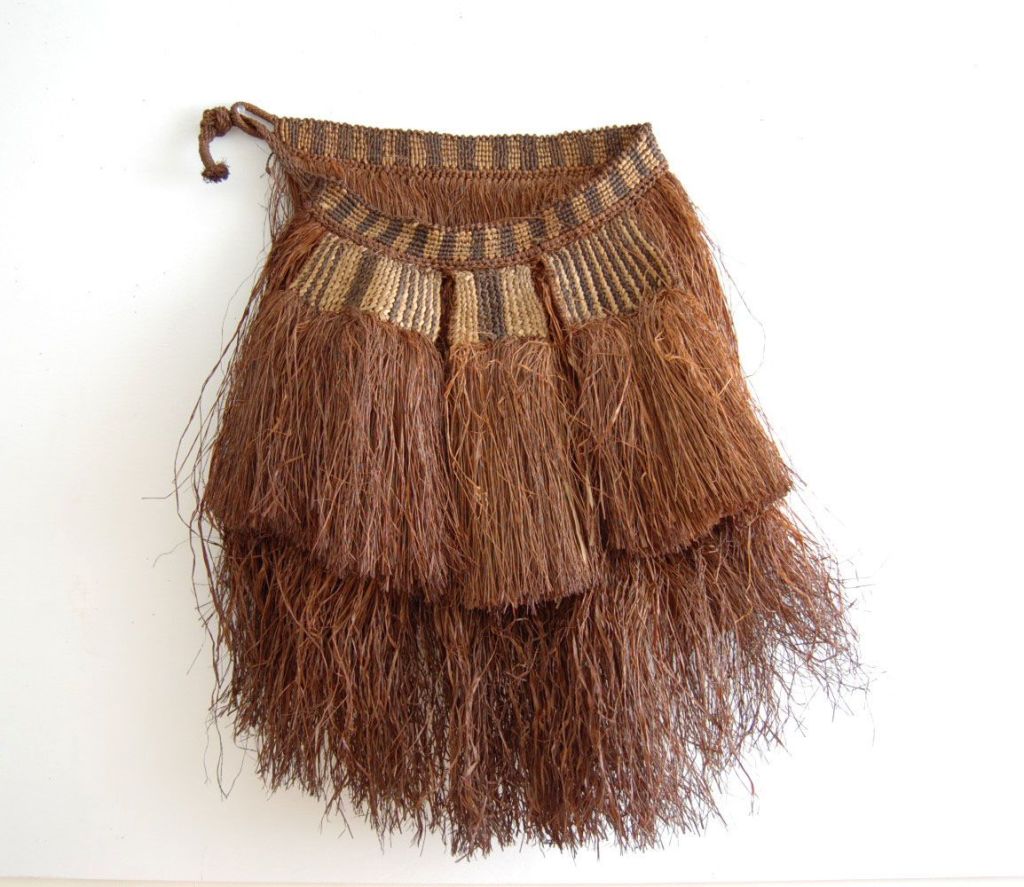
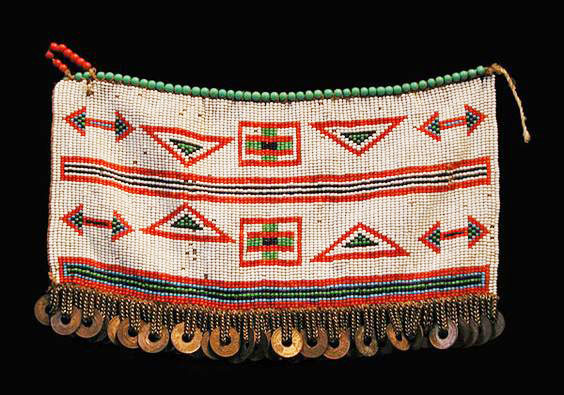
Cloth was also dyed and printed and beaded clothing distinguished one ethnic group from another. Tribes prided themselves in the quality of their hand-made cloth. They used techniques handed down generation by generation for centuries.
With the influence of trade, uncommon items arrived from Europe as well as Asia. Africans began using them and decorated the local cloths with them. Shells, beads and buttons were incorporated in garment construction either as an embellishment or used as the entire garment. These were used in items such as headbands, capes, beaded aprons and shoes.
There was also an improvement in weaving techniques. Cotton, silk, raffia, and wool, were the fibres now in use. Woven and decorated textiles became a reflection of a tribe’s status, socioeconomic standing, culture, environment and climate.
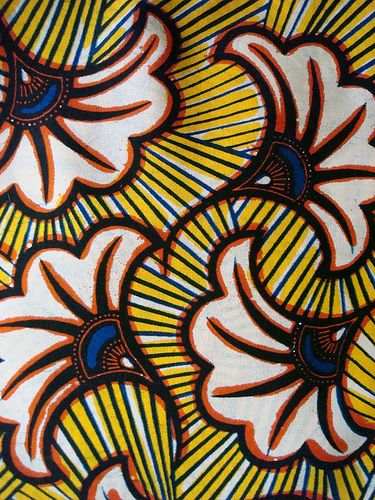
Wax prints became popular in the 19th Century. During the colonization of Indonesia, the Dutch adopted this style of pattern making from the Indonesians and mechanized the process. They initially tried to sell it back to Indonesians, but were unsuccessful. They traded it to Africans, who fell in love with it. Women began to ask for specific designs and particular designs became a form of secret communication among groups of people. The trade became very successful as is today.
Fast-forward to the 21st century, African fashion is in the global spotlight, from runways to its use by celebrities in music videos and film. When influential people step out on red carpets wearing African clothing, they turn heads and reinforce trends to follow. African culture is popular worldwide from music to dance. There is a large number of young Africans living around the world, who are increasingly trying to reconnect with their heritage. This includes learning about fashion from their homeland and adopting it to feel more in touch with their roots.
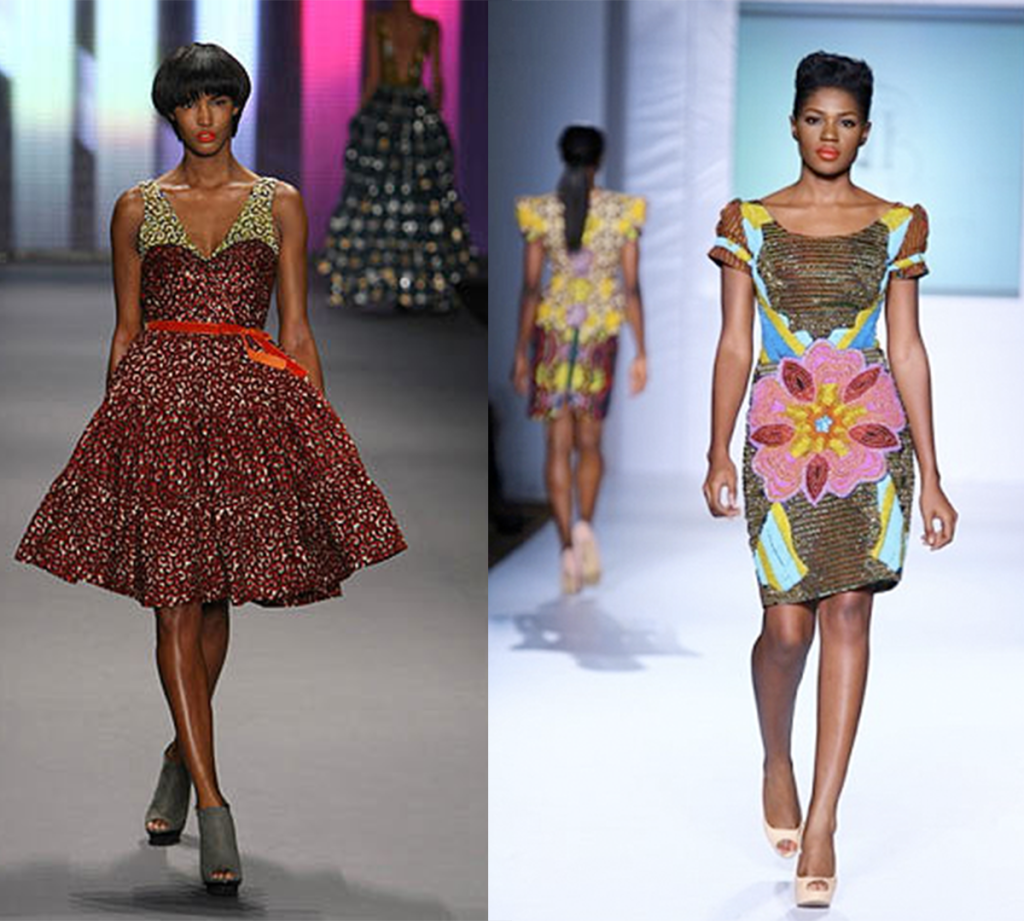
Social media has also played a huge role in familiarizing the world with African fashion. We are now able to see how Africans dress and the variety of styles available makes people want to connect with African culture and style. The future is bright. African designers should be business savvy and invest in the manufacture, marketing and sale of their products. As consumers, rather than buying African-inspired collections from western brands we should buy from African brands. Promote your own, build your own!
African fashion designers create beautiful prints and silhouettes which the world yearns for right now. We believe that the impact will outlast them spurring on future generations of designers.
 Refresh