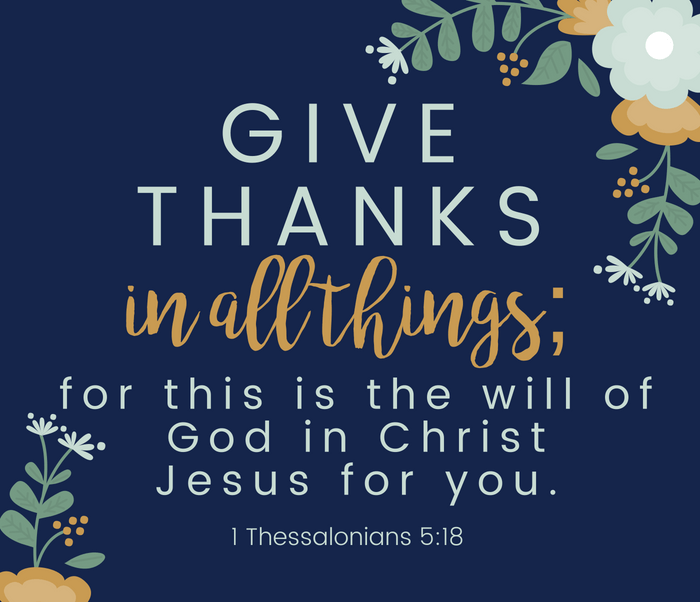
Grattitude is the act of being thankful, showing appreciation for what you have. Thanking God for the very little things and the big ones adds so much joy to our lives. 1 Thessalonians 5:16-18 says “Rejoice always, pray continually, give thanks in all circumstances; for this is God’s will for you in Christ Jesus”
By giving thanks we realize how big we are blessed. Here are some benefits of grattitude: fosters hope for the future, reduces stress and burnout and symptoms of post-traumatic stress disorder (PTSD), improves sleep quality as well as resilience.
Here are five steps you can create a gratitude list:
1. Keep it simple.
Start from where you are. What five things are you grateful for right now? It does not matter how your gratitude list looks, or how it’s formatted. It is a list. It is a quick and easy expression of things that you’re grateful are in your life. You don’t need to be lengthy in your explanations. You can write down a word or a few words on a notebook or a memo in your phone to use exclusively for your gratitude list so you can keep your lists together, in one handy place, so you can look back on and enjoy them anytime.
2. Expect increasing specificity.
As you start writing out things that you are grateful for, you’ll most likely describe them in broad terms. For example, you might write that you’re grateful for your job, your home, family, friends, good health, etc. Then, naturally, instead of continuing to repeat those general areas every time you make a new list, eventually you’ll probably find your list topics are becoming narrower. You’ll also likely find yourself becoming more aware of specific things around you every day to include on your next list.
3. Consider all facets of your life.
Be grateful for career, finances, health, relationships, leisure, personal growth and your relationship with God. Think about some things you’re grateful for in each of these areas, and maybe write down one or two in each area, or write down as many as you wish in just one or two of these areas on one day, and choose things in others of these areas to write down on other days, in any combinations you wish.
4. Be spontaneous: Write down things that occur to you as they come to mind. In other words, don’t spend a lot of time trying to write elaborate descriptions of things you’re grateful for. Don’t worry about what actually is worth including on your list of things to feel grateful for. If it makes sense to you for whatever reason, then it is worth including. The list is just for you. There’s no wrong entry of anything you find to be something to feel grateful for in your life. Write down things for which you’re grateful for. Here are examples of things you can add to your gratitude list:
Financial stability
Skills, talents and opportunities
A comfortable home
A good job
Good health
Love of family
Good friends
Good neighbors
Pets that are a joy to have in your life
Having some down-time to enjoy reading a book or listening to music
Spending time outdoors
Healthy foods
Ability to keep your patience and poise in challenging situations
Beautiful weather
Opportunities to travel
Progress in personal growth
In such a time as this, it can be helpful to write down anything you feel grateful for, even the smallest things.

5. Talk to God about it: Praying about the gratitude items on the list is very essential. This draws us to God, brings us peace, contentment and leads to joy.
Grattitude is a continuous process, an everyday thing. You will realize how big you are blessed by practicing gratitude, especially for the many things that you did not pray for. What are you grateful for? Comment down below!
 Refresh
Thanks for sharing about writing down things I am grateful for daily.
LikeLiked by 1 person